
Types of Olive Oil
402
wp-singular,page-template,page-template-full_width,page-template-full_width-php,page,page-id-402,wp-theme-stockholm,stockholm-core-2.4.4,hide_fixed_rows_enabled,select-theme-ver-9.11,ajax_updown_fade,page_not_loaded,vertical_menu_enabled, vertical_menu_hidden,side_area_uncovered,,qode_grid_1300,qode_menu_,elementor-default,elementor-kit-325,elementor-page elementor-page-402

Types of Olive Oil

Olive oil comes in various types, each with its own characteristics and uses. Here’s a breakdown of the main types:

1. Extra Virgin Olive Oil (EVOO)

  • Description: EVOO is the highest quality olive oil, made from pure, cold-pressed olives without the use of heat or chemicals. It has the most robust flavor and aroma.
  • Characteristics: It has a low level of acidity (less than 0.8%) and a high concentration of antioxidants and polyphenols.
  • Uses: Ideal for salad dressings, drizzling over dishes, and finishing. It’s also great for dipping bread and other uses where its flavor can shine. It has a low smoke point compared to other types, so it’s not always the best choice for high-heat cooking.
  •  

2. Virgin Olive Oil

  • Description: Virgin olive oil is also made from cold-pressed olives but has a slightly higher level of acidity (up to 2%). It’s still a good quality oil but has a milder flavor compared to EVOO.
  • Characteristics: It has a somewhat less intense flavor and a higher acidity than extra virgin.
  • Uses: Suitable for cooking at medium heat, as well as for dressings and marinades.
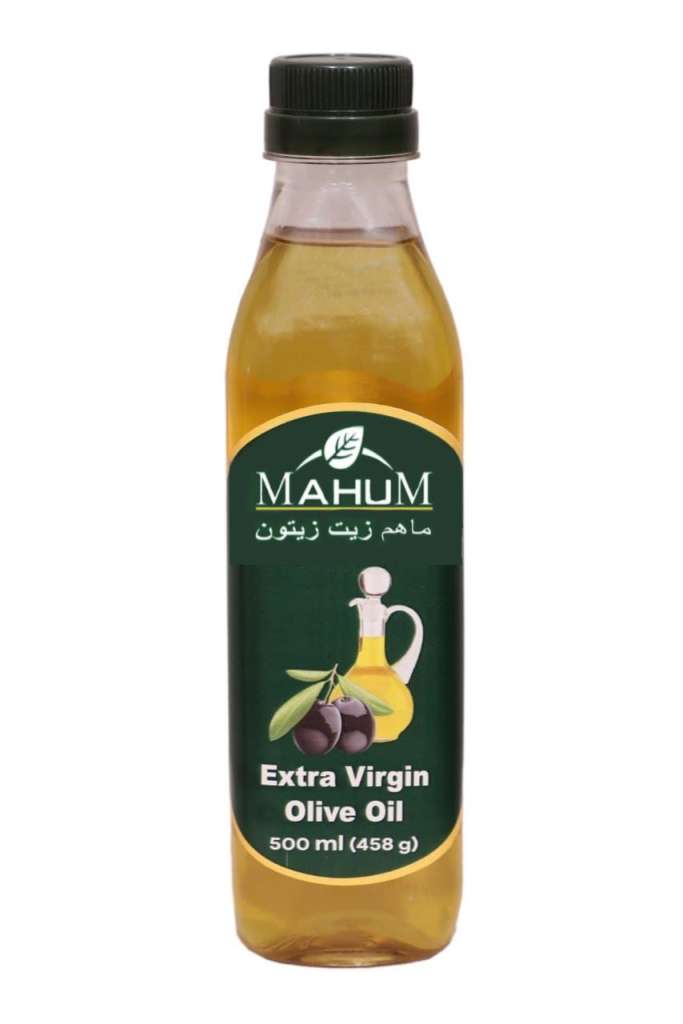
Mahum Extra Virgin Olive Oil

3. Refined Olive Oil

  • Description: Refined olive oil is made from olives that have been processed using heat and chemicals to neutralize flavors and acidity. It’s typically a blend of refined olive oil and a small amount of virgin or extra virgin olive oil for flavor.
  • Characteristics: It has a neutral flavor and a higher smoke point than EVOO.
  • Uses: Good for frying or high-heat cooking due to its higher smoke point. It’s less ideal for dressings or finishing dishes where flavor is important.


4. Pure Olive Oil

  • Description: This is a blend of refined olive oil and a small amount of virgin or extra virgin olive oil. It is often labeled simply as “olive oil” and is not as high quality as extra virgin or virgin olive oils.
  • Characteristics: It has a neutral flavor and a higher smoke point, making it more versatile for cooking.
  • Uses: Suitable for general cooking purposes, including frying and sautéing.


5. Pomace Olive Oil

  • Description: Pomace olive oil is made from the leftover pulp of olives after the first press. It is extracted using solvents and heat.
  • Characteristics: It’s the lowest quality among olive oils, with a neutral taste and less nutritional value.
  • Uses: Typically used for industrial cooking and frying, rather than for gourmet or health-conscious uses.


6. Light Olive Oil

  • Description: “Light” olive oil refers to the oil’s flavor and color, not its calorie content. It’s a highly refined oil with a mild taste.
  • Characteristics: It has a high smoke point and a very neutral flavor.
  • Uses: Suitable for high-heat cooking and baking. It’s not typically used for its flavor but rather for its cooking properties.

When selecting olive oil, consider how you plan to use it. Extra virgin olive oil is best for raw applications and dressings where its flavor can be appreciated, while refined or pure olive oil may be more suitable for cooking and frying due to their higher smoke points.